



.png)
Freight Transport Safety
Robberies targeting truck drivers remain one of the main threats to Mexico’s trucking industry. As criminals refine their techniques, companies and authorities must strengthen security strategies for freight transport. In this updated 2024 analysis, we present the latest figures, the highest-risk highways, and the essential measures needed to mitigate this problem.
Alarming Statistics on Cargo Theft
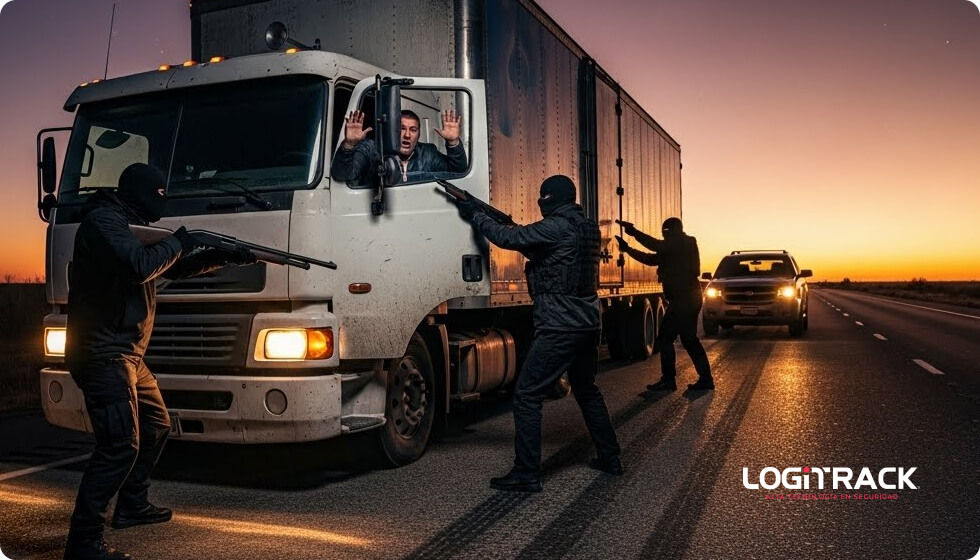
According to the Executive Secretariat of the National Public Safety System (SESNSP), more than 9,000 robberies targeting truck drivers were reported in 2023, representing a 13% increase compared to the previous year. Of these cases, approximately 87% involved violence, confirming the severity of the problem on national highways.
At the state level, the State of Mexico, Puebla, Michoacán, Jalisco, Guanajuato, San Luis Potosí, and Veracruz continue to be the areas with the highest incidence of cargo theft. These states account for more than 95% of reported crimes, making them high-risk areas for carriers.
The Most Dangerous Roads: High-Risk Areas
Roads that should be routes for connectivity and development have become extremely dangerous. According to data from the National Chamber of Freight Transport (Canacar) and the National Association of Vehicle Tracking and Protection Companies (ANERPV), the following routes are the most dangerous:
- Mexico-Puebla (primarily in the vicinity of San Martín Texmelucan)
- Mexico-Querétaro (particularly the section near Tepotzotlán)
- Guadalajara–Lagos de Moreno
- Veracruz–Orizaba
- Celaya–Salamanca–Irapuato
- Federal Highway 57 in Querétaro and San Luis Potosí
- Mexico-Tuxpan Highway
These sections have been identified as hotspots where attacks on truck drivers occur most frequently, forcing companies to step up security measures for freight transport.
Modus Operandi: The Evolution of Crime
Criminals have refined their methods to carry out robberies more efficiently. Among the most common tactics are:
- Use of signal jammers: These devices block GPS tracking systems, making it difficult to locate vehicles.
- Fake checkpoints: Criminals posing as law enforcement officers stop trucks and steal their cargo.
- Staged accidents: Truck drivers are forced to stop and are then robbed.
- Violent direct attacks: chases and threats with firearms to force drivers to hand over their vehicles.
The sophistication of these methods underscores the urgent need to adopt more effective technological measures and prevention strategies.
The Need for High-Security Systems
The rising tide of thefts makes cargo security an absolute priority. Some of the most effective solutions include:
- Real-time monitoring with high-precision GPS
- Panic buttons and emergency alerts
- Remote engine immobilization in the event of a theft attempt
- Video surveillance cameras in cabs and trailers
- Pre-established routes with designated rest and refueling areas
- Collaboration with law enforcement agencies and real-time tracking
The current state of the freight transport industry in Mexico calls for investment in security infrastructure, training, and advanced technology. Implementing these strategies will not only reduce crime rates but also protect the lives of transport workers and ensure the sector’s operational continuity.
Freight transport security is a challenge that cannot be ignored. With the right combination of technology, prevention, and coordination between companies and authorities, it is possible to reduce risks and build confidence in national routes.
Investment in Safety: The Key to Safe Transportation
To ensure a safer environment, it is imperative that trucking companies invest in high-security systems. The adoption of advanced technologies, such as real-time monitoring and remote vehicle locking, not only reduces the risk of theft but also optimizes operational efficiency. Prevention is the key to mitigating threats on the roads and ensuring the sector’s sustained growth. Investing in security is not an expense but a strategic investment in the continuity and success of freight transport in Mexico.
%20(1).png)
.png)



