



.png)
The freight transport sector in Mexico faces numerous challenges that require sophisticated solutions to ensure efficiency and profitability. Digitalization and effective data management have emerged as key elements in modernizing fleet management. These technologies improve the monitoring and administration of operations, while also facilitating strategic decisions based on reliable and up-to-date information.
In this article, we will explore how the implementation of advanced data management systems can transform freight fleet management, improving both operational efficiency and cost reduction.
Digital Systems Integration
The first step toward more efficient fleet management is the integration of digital systems that centralize and simplify access to data. This integration allows companies to monitor their fleets in real time, providing critical data such as exact location, fuel consumption, and driver behavior.
Advanced satellite tracking platforms offer intuitive dashboards that display this information in a consolidated format, enabling quick and accurate analysis.
Benefits of Data Analysis
Large-scale analysis
The true power of digitalization lies in its ability to analyze large volumes of data and turn them into useful insights. By gaining a better understanding of how vehicles are used, companies can optimize routes and schedule maintenance more effectively, resulting in a more efficient use of resources. In addition, data analysis can help identify patterns in driver behavior that may indicate inefficient or even dangerous driving practices.
Timely decision-making
Advanced data management also enables companies to respond more dynamically to changes in market conditions. For example, route adjustments can be made in real time in response to traffic issues, adverse weather conditions, or shifting customer demands. This helps transportation companies improve customer satisfaction and increase the overall efficiency of their operations.
Cost reduction
Effective data management has a direct impact on cost reduction. By optimizing routes, companies can significantly reduce fuel expenses, one of the largest costs in fleet operations. In addition, preventive maintenance based on accurate data can prevent costly breakdowns and extend the useful life of vehicles. Taken together, these improvements can contribute to a considerable reduction in operating costs, thereby boosting the company’s profitability.
Use cases
Many companies have transformed their fleet management by adopting digital solutions. For example, a logistics company can implement a fleet management system that includes telematics and GPS, enabling it to reduce delivery times and improve route planning. This improvement in operational efficiency leads to lower operating costs and increased customer satisfaction.
Digitization and data management are essential to modern freight fleet management. By investing in these technologies, companies not only improve their monitoring and control capabilities but also reap tangible benefits in terms of efficiency and cost reduction.
As the transportation sector continues to evolve, the ability to adapt and capitalize on the benefits of digitization will be crucial to maintaining competitiveness and long-term success.
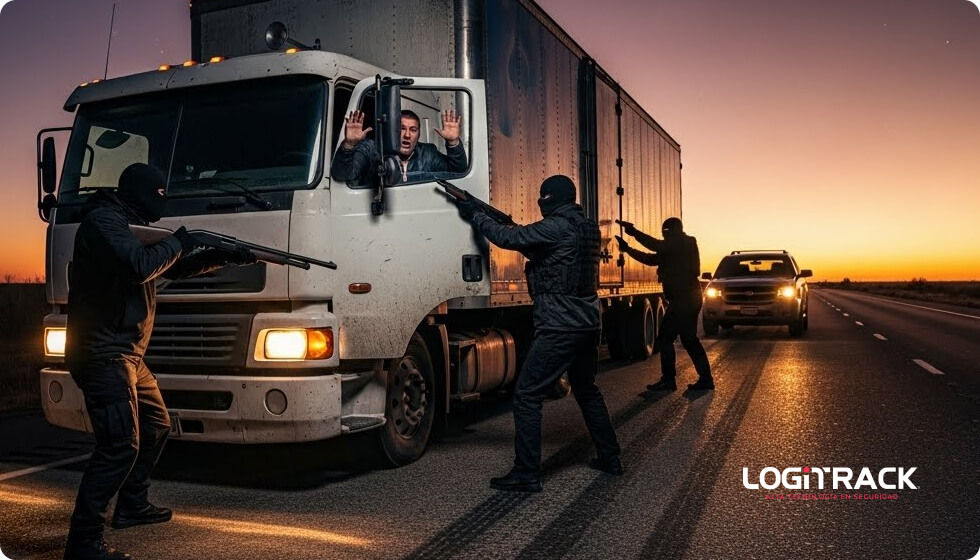
Through our solutions, we eliminate theft from your cargo trucks in less than 90 days. Learn more by clicking here, or contact one of our advisors for a free initial consultation.
%20(1).png)
.png)



